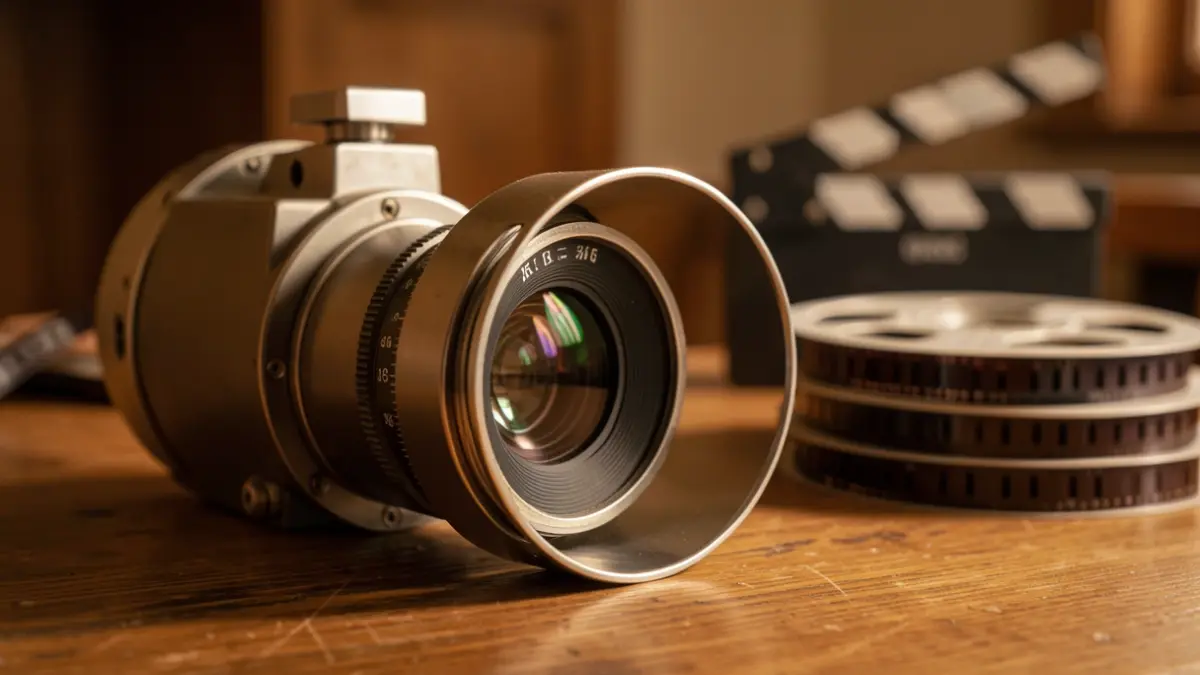
The meeting, moderated by Alan Mimiaga Angulo, coordinator of ECINORT, brought together a diverse group of attendees to exchange experiences on the transformations of audiovisual creation. Panelists addressed from their respective trajectories the expressive possibilities of new cinematic formats and the need to generate spaces for more creators to develop their proposals.
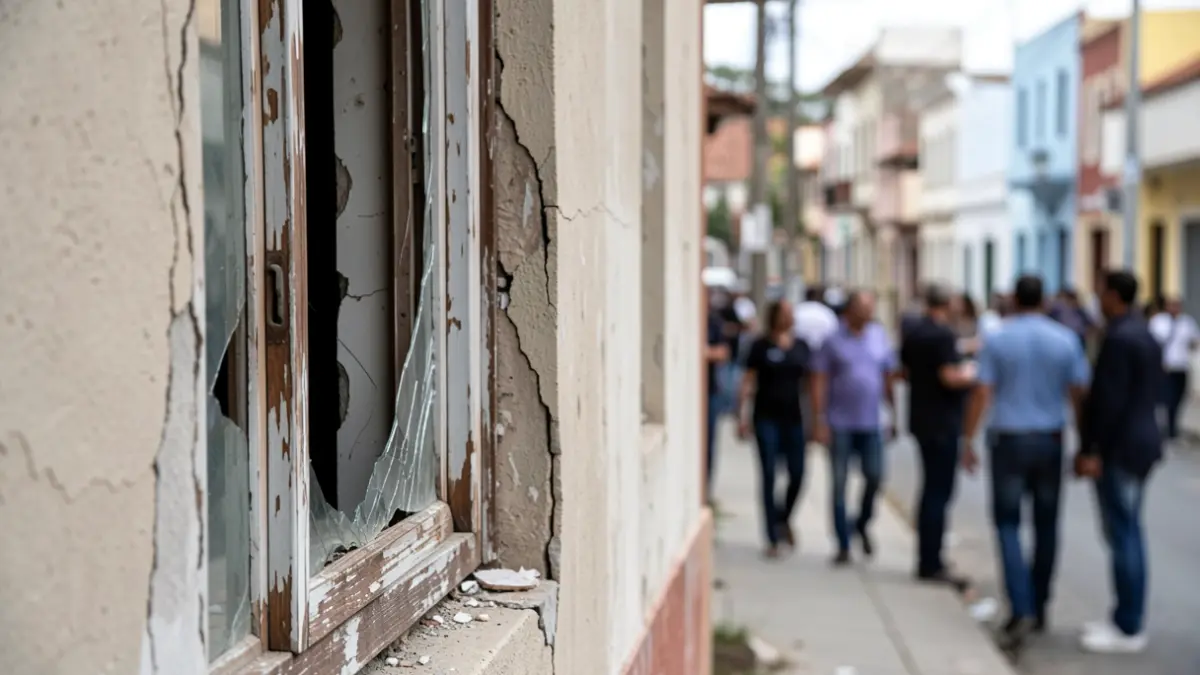
Mazatlan-born filmmaker Dano García highlighted the importance of finding own ways of narrating and recognising spaces outside traditional structures. Under the metaphor of the "crack", she proposed the possibility of building stories from the margins and everyday experiences. She also stressed the need to decentralise cinematic production and broaden the diversity of those telling stories, including trans people.
Filmmaker Luis Ramos shared his experience with the cineminute format, noting that new generations explore ways of telling that privilege the sensory. He highlighted the value of encounters like ECINORT and recognised that the availability of tools such as mobile phones has expanded the possibilities of audiovisual creation in communities with limited resources.
Documentarian Felipe Parra emphasised the honesty and responsibility inherent in cinematic creation, recalling that documentary work requires research and rigour. From his experience, he spoke of the importance of recovering the cultural memory of Sinaloa and the country through productions that document the trajectories of creators.
During the dialogue, a reflection arose on the ways of narrating violence in Sinaloa, suggesting the importance of going beyond traditional narco-narratives to show how these contexts permeate everyday life. The responsibility of filmmakers when addressing stories and communities was also questioned, sharing the experience of a collective self-care manual developed by Dano García.